
Drainage That Actually Prevents Flooding
Vinyl Flooring Installation in Dallas for kitchens, bathrooms, and spaces requiring waterproof surfaces
Vinyl plank and sheet flooring handle standing water without warping, swelling, or delaminating, making them the practical choice for bathrooms, laundry rooms, and kitchens where leaks and spills are inevitable over the floor's lifetime. The material's waterproof core—whether luxury vinyl plank with stone-polymer composite or sheet vinyl with fiberglass backing—prevents moisture from reaching the subfloor even when water sits for hours, protecting against the mold and rot that develop when traditional materials absorb and hold dampness. RDS Flooring LLC installs vinyl flooring across Dallas properties where moisture resistance outweighs the aesthetic preference for natural wood, and in basements or lower levels where humidity control is inconsistent and flooding risk is higher than upper floors.
Installation includes removing old flooring and leveling the subfloor to eliminate dips or ridges that telegraph through thin vinyl and create visible imperfections. Professional fitting ensures seams are tight and transitions are sealed, preventing water from migrating underneath the material where it can compromise adhesive bonds or create bacterial growth in trapped pockets.
Request a vinyl flooring estimate with subfloor evaluation included for your installation area.
What You Notice Once Installation Is Finished
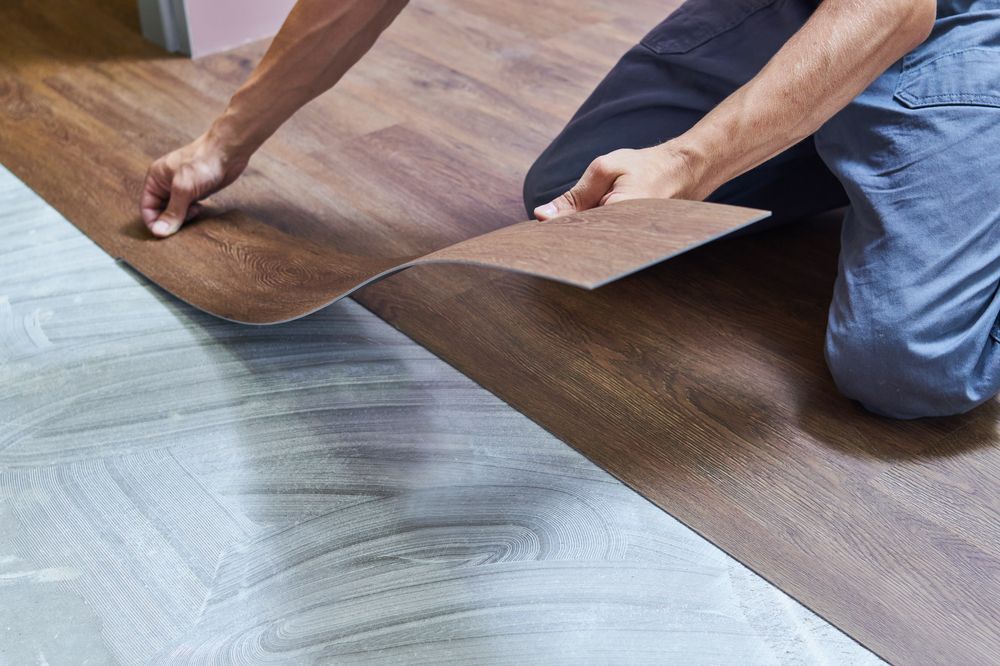
Vinyl installation involves cutting planks or sheets to fit precisely around cabinets, toilets, and doorways, then securing the material with adhesive or click-lock systems depending on the product type. Underlayment may be added for cushioning and sound dampening, though many luxury vinyl planks include attached padding that eliminates that step and reduces installation time.
Once the floor is down, you notice a surface that feels softer underfoot than ceramic tile or hardwood, with some give that reduces leg fatigue during long cooking or cleaning sessions. Water beads on the surface instead of soaking in, and spills wipe up completely without leaving stains or moisture shadows that linger for days. The textured finish provides traction even when wet, reducing slip risk compared to glazed tile that becomes slick with water exposure.
Vinyl delivers waterproof performance and low maintenance but does not offer the refinishing potential of hardwood or the heat resistance of natural stone, so hot pans placed directly on the surface can cause melting or discoloration. The material also shows wear patterns in high-traffic zones over time, though replacement planks can be swapped out individually with click-lock systems rather than requiring full-floor replacement.
Homeowners selecting vinyl flooring often ask about installation methods, product differences, and long-term performance in moisture-heavy environments.
Common Questions About This Service
What is the difference between luxury vinyl plank and sheet vinyl?
Luxury vinyl planks install as individual pieces that mimic hardwood or tile, offering easier replacement of damaged sections, while sheet vinyl comes in wide rolls that cover large areas with fewer seams but require full-sheet replacement if damage occurs.
How does subfloor preparation affect vinyl flooring performance?
Vinyl conforms to the surface beneath it, so bumps, cracks, or uneven areas in the subfloor become visible through the finished floor and can cause premature wear where high spots create pressure points that abrade the wear layer faster than flat areas.
Can vinyl flooring be installed over concrete slabs in Dallas?
Yes, provided the concrete is clean, dry, and level, though moisture testing is recommended to confirm the slab is not transmitting excessive vapor that could interfere with adhesive bonds or create mildew beneath the vinyl.
Why do some vinyl floors feel softer than others underfoot?
Attached underlayment padding or foam backing adds cushioning, while products without integrated padding feel firmer and transmit more subfloor imperfections, making the choice between them a balance of comfort versus durability in commercial-grade applications.
How long does vinyl flooring last in high-moisture areas?
Quality vinyl products with thick wear layers and waterproof cores typically last 10 to 20 years in kitchens and bathrooms, with longevity depending on traffic levels, cleaning methods, and whether seams are properly sealed to prevent water intrusion at joints.
RDS Flooring LLC coordinates vinyl installation with plumbing and cabinetry work when projects involve multiple trades, ensuring the floor goes down after rough work is complete but before fixtures are permanently set. Contact RDS Flooring LLC to schedule a consultation and review vinyl options suited to your moisture conditions and design preferences.