
Floors Built for Decades of Weather
Laminate Flooring Installation in Dallas for properties needing budget-friendly, durable surfaces with minimal maintenance
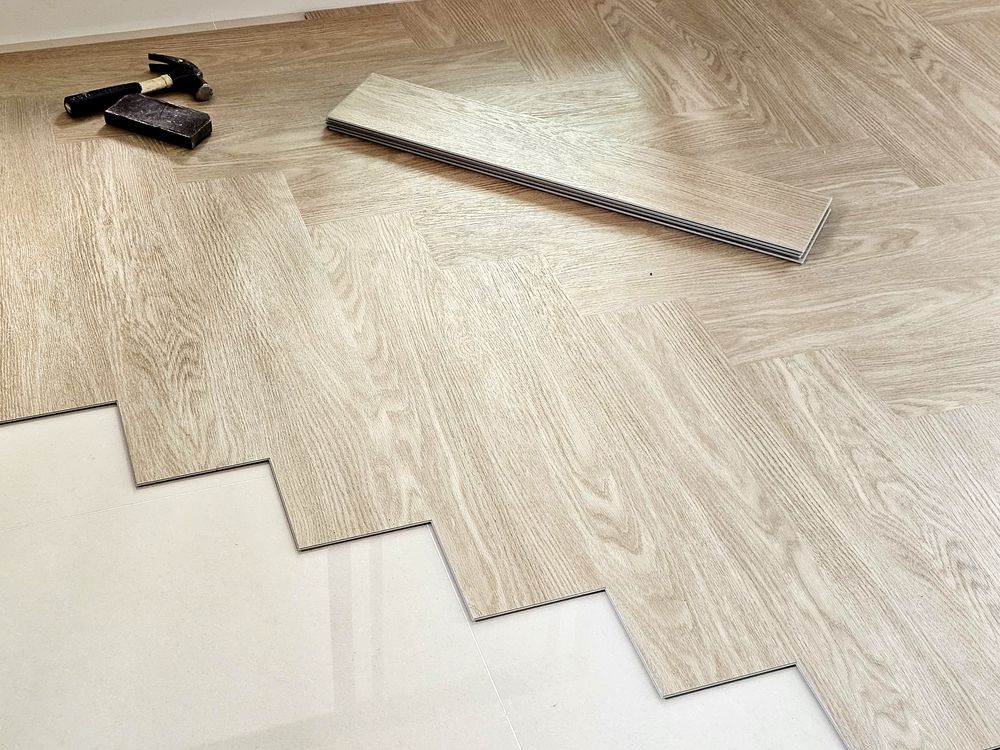
Laminate flooring mimics hardwood and stone appearances through high-resolution photographic layers bonded to a dense fiberboard core, creating surfaces that resist scratching, fading, and moisture better than traditional wood at a lower material cost. RDS Flooring LLC fits laminate planks using click-lock systems that float over the subfloor without adhesive or nails, allowing the floor to expand and contract with humidity changes without buckling or gapping. This installation method works well in Dallas rental properties where quick turnarounds between tenants are necessary, and in homes where pets and children create wear patterns that would damage softer flooring materials within a few years.
The process includes subfloor leveling and removal of old flooring materials, ensuring the laminate sits flat without dips that cause planks to separate at the seams over time. Moisture-resistant core options are available for areas where spills are frequent or humidity levels fluctuate beyond typical indoor ranges, such as kitchens and laundry rooms.
Arrange a laminate flooring consultation to review style options and receive installation pricing for your space.
What Changes After Installation Completes
Laminate installation involves cutting planks to fit around doorways and obstacles, leaving expansion gaps at walls that are concealed by baseboards or transition strips to accommodate the floor's seasonal movement. Underlayment padding is rolled out before planks go down, reducing noise transmission to rooms below and smoothing minor subfloor imperfections that would otherwise create hollow spots beneath the surface.
After installation, you walk on a surface that feels firm underfoot without the springy flex of poorly supported flooring, see clean transitions at doorways where laminate meets tile or carpet without height mismatches, and clean up spills by wiping without worrying about water penetration or staining that affects unfinished wood. The wear layer resists scuffs from furniture dragging and pet claws that would gouge softer materials within weeks of installation.
Laminate provides durable, low-maintenance surfaces but does not allow for refinishing like solid hardwood, so deep scratches that penetrate the wear layer cannot be sanded out and require plank replacement. The floating installation also means the floor may feel slightly different underfoot compared to nailed hardwood, with a bit more give despite the firm core beneath.
Clients installing laminate flooring often have questions about performance differences from hardwood, installation speed, and moisture handling in specific rooms.
What Property Owners Usually Ask
How does laminate durability compare to solid hardwood in high-traffic areas?
Laminate wear layers resist surface abrasion better than traditional wood finishes because the aluminum oxide coating is harder than polyurethane, though deep impacts can still chip the photographic layer in ways that are more noticeable than dents in real wood grain.
What makes certain laminate products moisture-resistant?
Core materials treated with water-repellent additives swell less when exposed to spills or humidity, preventing edge lifting and joint separation that occurs when standard fiberboard absorbs moisture and expands beyond the floor's expansion gap allowances.
How quickly can laminate be installed compared to hardwood?
Click-lock laminate goes down faster than nailed hardwood because there is no fastening, sanding, or finish curing time, so a typical bedroom can be completed in one day versus several days for site-finished wood floors.
Why are expansion gaps necessary around the room perimeter?
Laminate planks expand and contract with temperature and humidity changes, and without a gap at walls and fixed objects, the floor can buckle upward or compress joints until they separate, creating peaks or gaps that worsen over seasonal cycles.
Can laminate flooring be installed over existing tile or vinyl?
As long as the existing surface is level, clean, and securely attached to the subfloor, laminate can float over it with appropriate underlayment, saving removal labor and disposal costs while shortening the installation timeline.
RDS Flooring LLC brings product samples to consultations, allowing you to compare textures and finishes in your actual lighting conditions before committing to a selection. Schedule an estimate that includes subfloor prep and material recommendations for your flooring project.