
Surfaces Built to Handle Water and Wear
Tile Flooring Installation in Dallas for kitchens, bathrooms, and entryways requiring durable and water-resistant surfaces
Kitchens and bathrooms in Dallas experience daily exposure to water, temperature changes, and foot traffic that softer flooring materials cannot withstand without degrading. RDS Flooring LLC installs ceramic, porcelain, and natural stone tile flooring designed to resist moisture penetration and surface damage over decades of use. You need tile installation when you require a floor that stays intact despite spills, humidity, and the impact from dropped cookware or bathroom fixtures, with the added benefit of custom layout patterns that fit the dimensions of irregular rooms.
Proper surface preparation is essential to prevent tiles from cracking or becoming loose, which involves leveling the subfloor, applying a moisture barrier where needed, and ensuring the adhesive layer bonds evenly across the entire installation area. Grout selection affects both the visual appearance and long-term durability, with epoxy grout offering superior resistance to staining and moisture compared to standard cement-based options.
Arrange an on-site consultation to review tile material options and discuss layout patterns that fit your space.
How Tile Installation Ensures Long-Term Performance
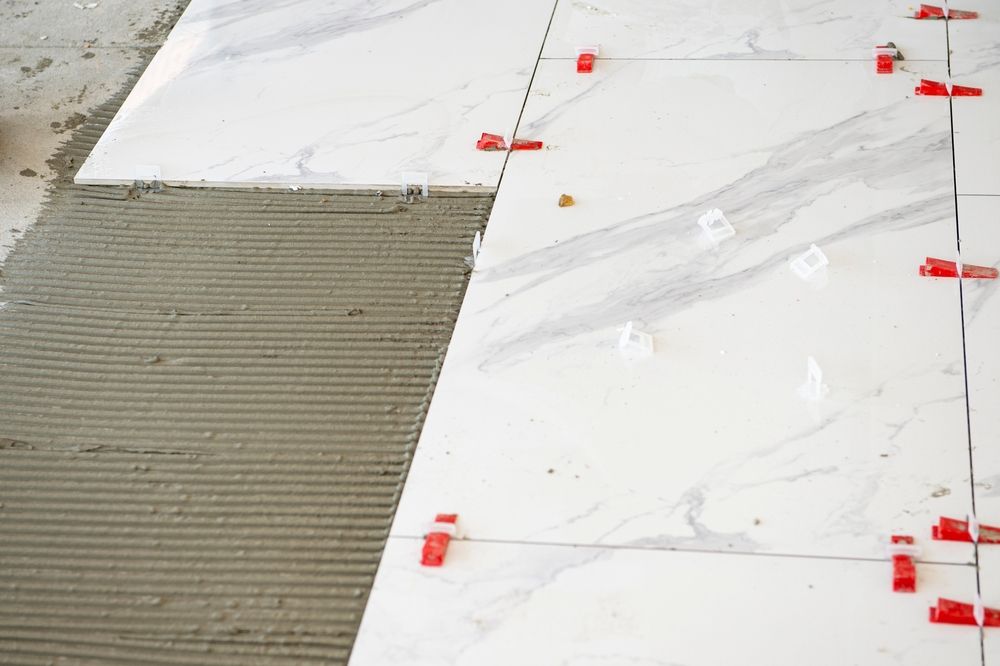
Installation begins with confirming that the subfloor is level and stable, as even minor irregularities cause tiles to crack under pressure or create uneven surfaces that retain water in low spots. Tiles are laid according to a planned pattern, with spacers used to maintain consistent grout lines that contribute to both the visual symmetry and structural stability of the floor. Natural stone tiles require sealing to prevent absorption of liquids that would otherwise stain or degrade the material from within.
After the work is finished, your floors will shed water without warping, resist scratches from furniture movement, and maintain their color without fading from sunlight exposure. Grout lines stay clean longer when sealed properly, and the tiles themselves do not require refinishing or replacement due to surface wear. Cleaning involves sweeping and mopping with standard household cleaners, and damaged tiles can be individually replaced without disturbing the surrounding floor.
Tile flooring suits high-moisture areas better than wood or carpet, and it also performs well in entryways where dirt, sand, and debris are tracked in from outside. Porcelain offers higher density and lower water absorption than ceramic, which makes it preferable for outdoor-adjacent spaces or areas with freeze-thaw exposure. The thickness and finish of the tile affect slip resistance, so selecting the right product depends on whether the floor will stay dry or experience frequent wet conditions.
Property owners in Dallas typically want to understand material differences, installation timelines, and maintenance requirements before starting a tile flooring project.
Common Questions About Tile Flooring Projects
What is the difference between ceramic and porcelain tile?
Porcelain is denser and less porous than ceramic, which makes it more resistant to water absorption and better suited for outdoor or high-moisture indoor areas, while ceramic is lighter and easier to cut during installation.
How long does tile installation take for a standard bathroom?
Installation time depends on room size and layout complexity, but most bathroom floors are completed within one to two days once surface preparation is finished and materials are on-site.
Why does grout need to be sealed after installation?
Unsealed grout absorbs liquids, which leads to staining, mold growth, and eventual crumbling as moisture penetrates and weakens the material over repeated wet-dry cycles.
What layout patterns work best for small spaces?
Diagonal layouts and larger tiles create the visual impression of more floor area, while smaller mosaic tiles can make tight spaces feel busy or cluttered depending on color contrast and grout line width.
How does tile perform in Dallas homes with shifting foundations?
Properly installed tile over a stable subfloor resists minor movement, but significant foundation shifts can cause cracking, which is why surface preparation and crack isolation membranes are critical in areas with expansive clay soils common to the region.
RDS Flooring LLC provides tile installation for residential kitchens, bathrooms, and entryways, with material selection guidance and custom layout design included. Contact us to request a project estimate based on your specific tile preferences and room dimensions.